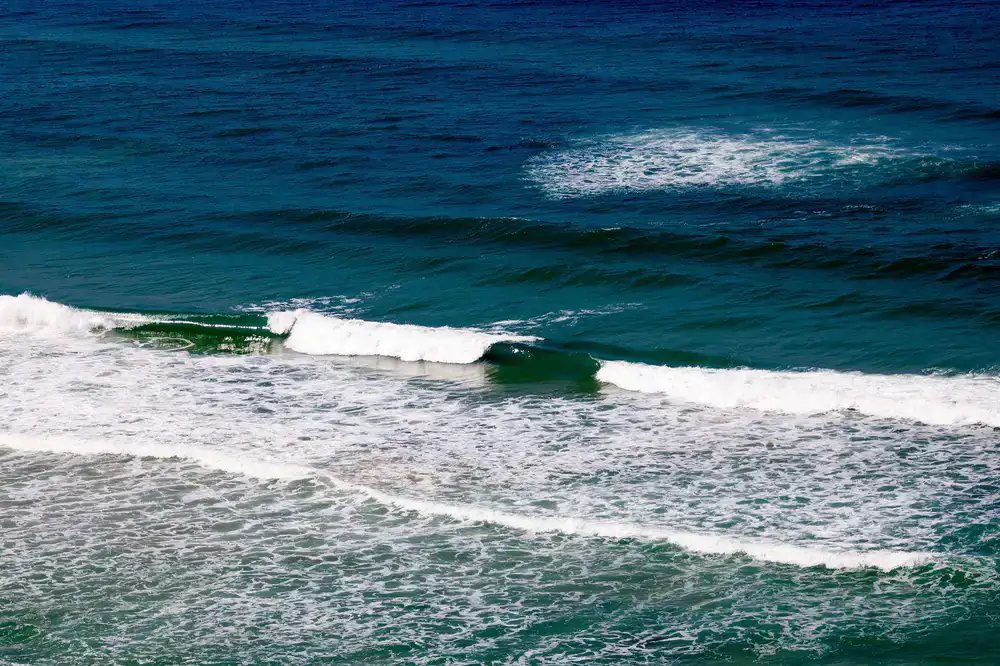
The Bay
- Best Tide: Mid to High
- Swell Dir: West / Northwest
- Ideal for: Beginners & Longboards
Sheltered from heavy winds, this spot offers forgiving, consistent rollers perfect for dialing in your pop-up or enjoying a relaxed cruise.
Whether you're paddling out for the first time or chasing the winter swell, our crew has mapped out the best breaks, board care rituals, and daily conditions for the Peniche area.
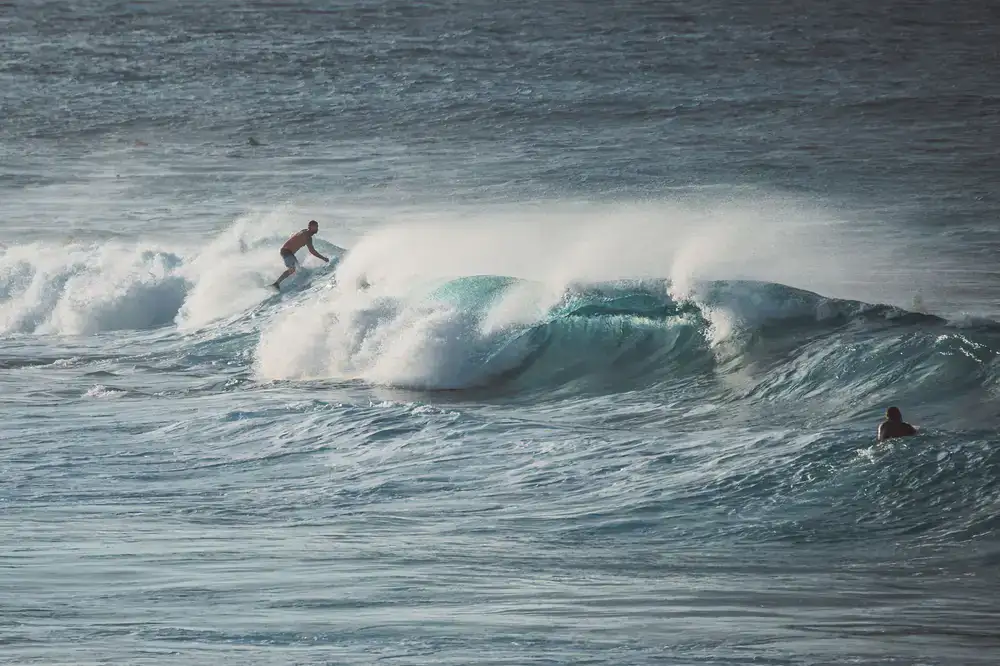
Start with a soft-top or a longboard with plenty of volume. It makes paddling easier and gives you more stability when popping up.
Practice your pop-up on the sand before getting in the water. Muscle memory is key to a smooth transition from paddling to standing.
Always respect the lineup. The surfer closest to the breaking part of the wave has the right of way. Don't drop in on others.
Every break has its own rhythm. Here is our curated list of local spots, categorized by ideal conditions and skill levels to help you find your perfect wave.
Sheltered from heavy winds, this spot offers forgiving, consistent rollers perfect for dialing in your pop-up or enjoying a relaxed cruise.
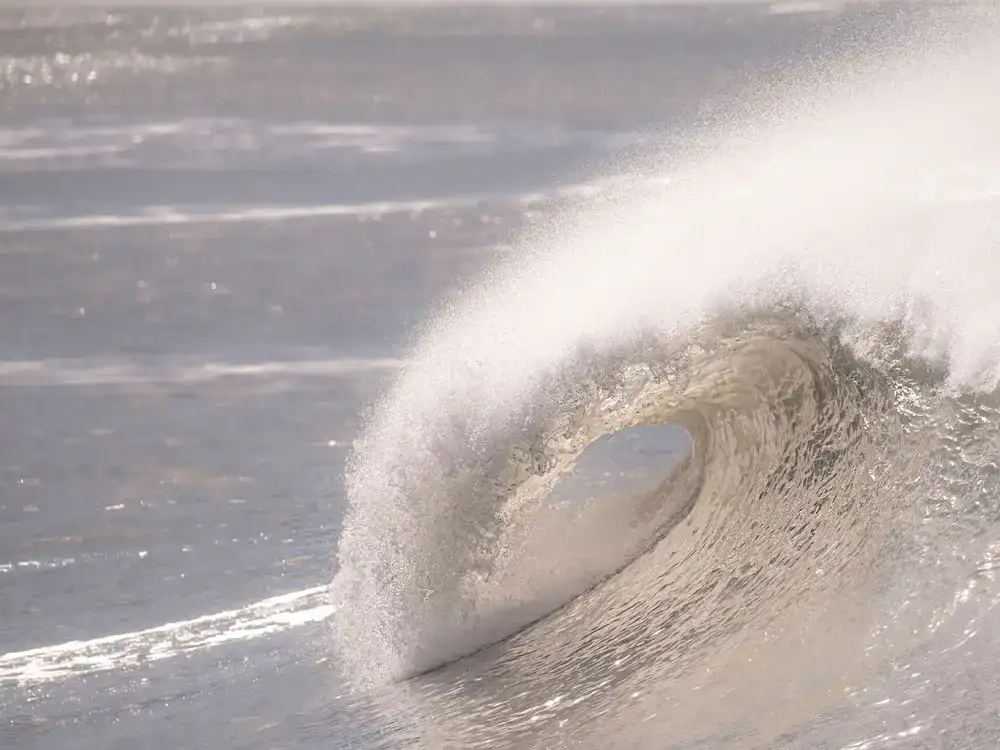
A fast, hollow wave that demands respect. Watch out for the shallow rock bottom on low tides. Strictly for experienced riders comfortable in heavy water.
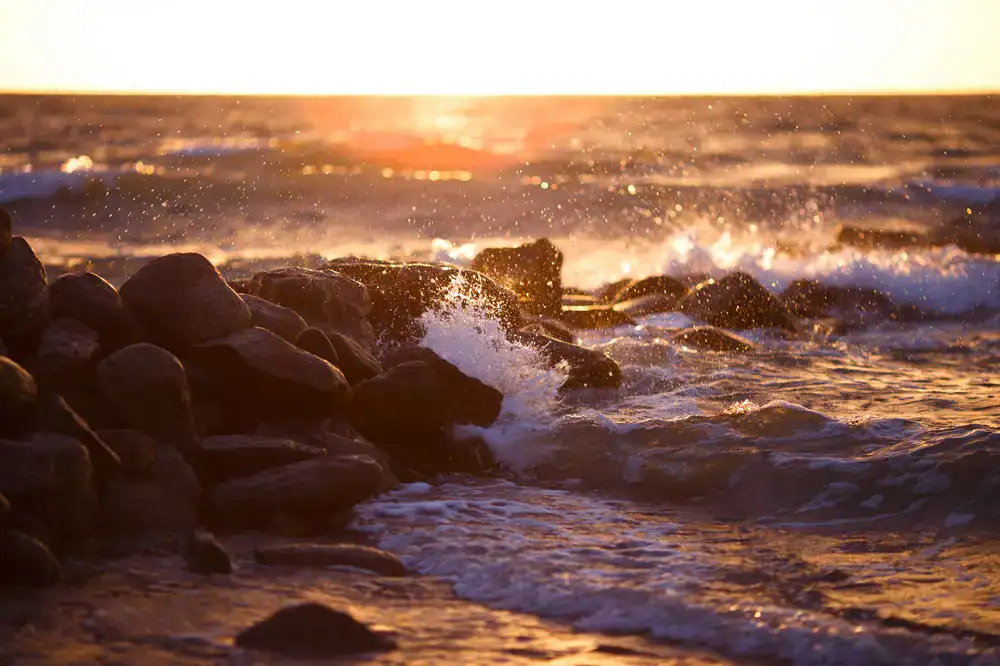
Miles of shifting sandbanks mean you can almost always find a peak to yourself. It handles a variety of swell sizes and offers punchy sections for turns.
Salt, sun, and sand take a toll on your equipment. Taking a few extra minutes after your session ensures your board stays water-tight and performs exactly the way the shaper intended.
Always rinse your board, leash, and wetsuit with fresh water immediately after your session. Salt crystals degrade neoprene and dry out fiberglass seams over time.
Never leave your board baking in a hot car or direct sunlight. Heat causes delamination (where the fiberglass separates from the foam core) and melts your wax.
If you crack the fiberglass and expose the foam, do not surf it. Even a small amount of water logging can ruin a board's buoyancy. Dry it out and fix it properly before your next session.
Not sure which spot matches the current swell? Drop us a line below or give the shop a call at +351 262 740 185. Our staff is always tracking the tides.
Or visit the shop at Rua da Praia 22, Peniche, Leiria 2520-641